
「Art♡Wisdom」|瑩・"Art as Therapy"

简单且丰富,智慧与艺术。


你或許也会喜欢:
< 上一篇
下一篇 >
〔享有篇〕最新筆記:
-
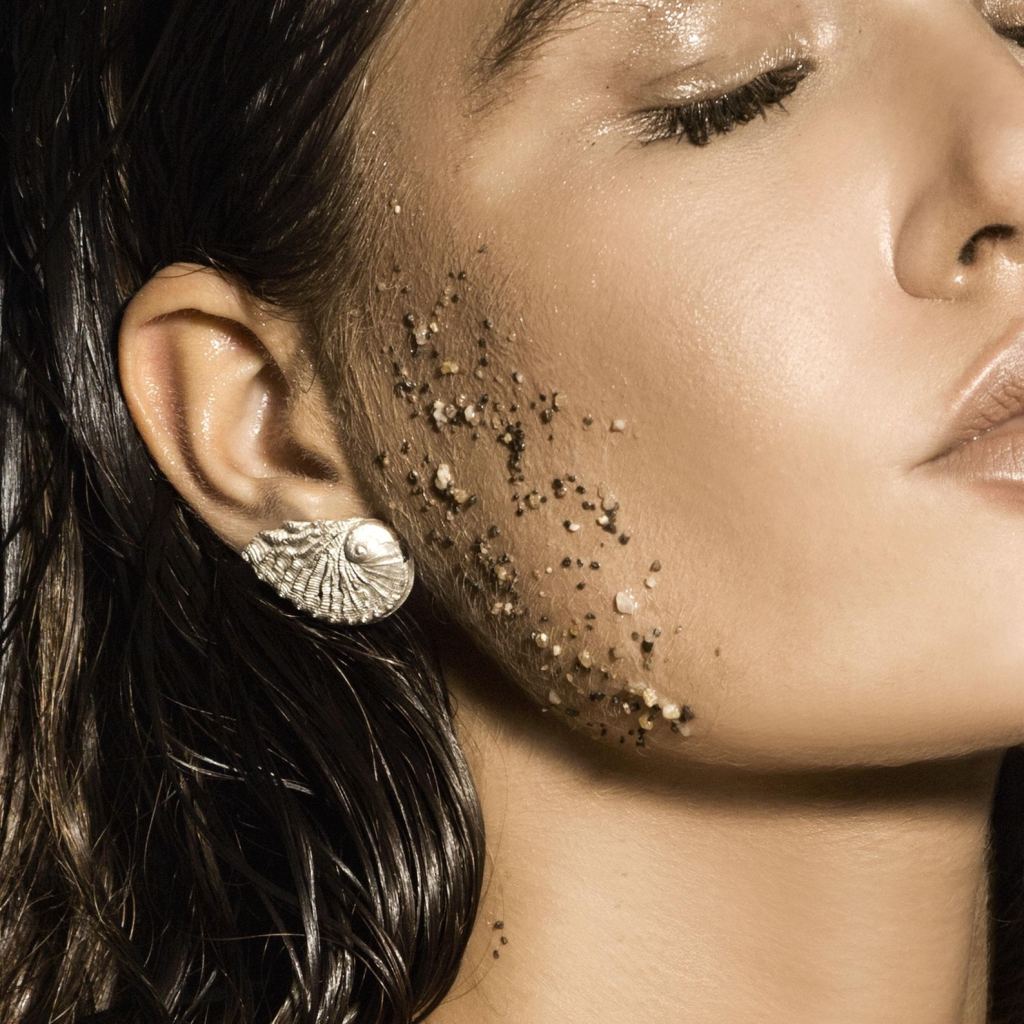
②.「循环与庇护」海耳·鲍鱼壳·贝壳耳钉耳垂饰;希腊手艺人Ariadni作品|设计灵感源自海洋生物,象征着平静、守护与沉稳的力量。鲍鱼的名字abalone来源于西班牙语abulón,人们根据外形赋予这种海洋软体动物的名称oreja de mar(sea-ear),意为“海耳”,一如在倾听大海的呼唤。鲍鱼壳蕴意温暖的安慰,连接着我们与海洋的纽带,承载着生命的循环与智慧。925纯银(哑光或氧化黑);小号或中号(提供具体数据可帮助选号);专为右耳设计,以精致简约的设计和流畅造型,巧妙结合与勾勒出耳朵美丽的轮廓与弧度|x12726
-
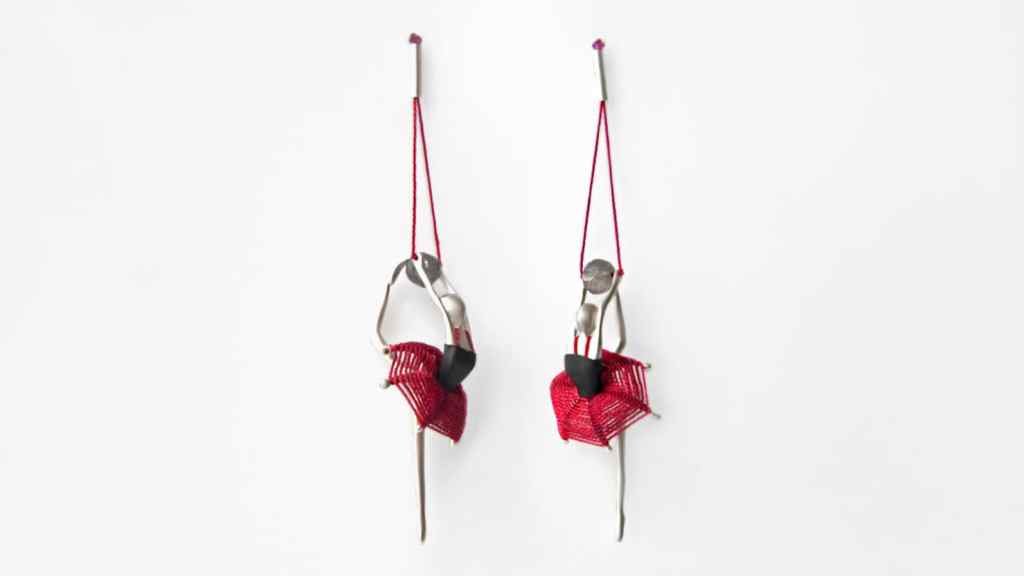
②.「寻欢之道」黑天鹅·芭蕾舞娘(长款)耳钉耳环;希腊手艺人Ariadni作品|关于原始生命力、身体觉醒与天性的舒展。 “丰富其感知,野蛮其体魄。”采用纯银打造,并以红玉绳手工编织而成。小芭蕾舞者会随着耳环自由摆动和旋转哦!925纯银/拉长石/玉绳;舞者约5cm高,整体约7cm。可选单只耳环(一个舞者)或一对耳环(两个舞者)|x12626
-
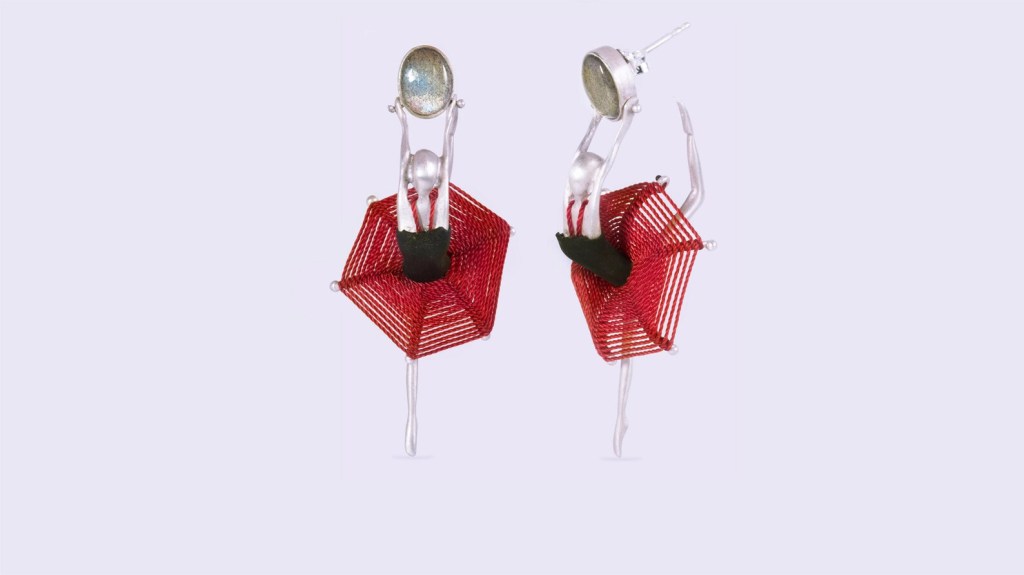
②.「寻欢之道」黑天鹅·芭蕾舞娘(短款)耳钉耳环;希腊手艺人Ariadni作品|关于原始生命力、身体觉醒与天性的舒展。 “丰富其感知,野蛮其体魄。”采用纯银打造,并以红玉绳手工编织而成。小芭蕾舞者会随着耳环自由摆动。925纯银/拉长石或月光石/玉绳;舞者约5cm高,整体约5.5cm。可选单只耳环(一个舞者)、一对耳环(两个舞者)或不对称组合(一个舞者+一颗拉长石);图片里,小芭蕾舞者顶上是一颗椭圆形拉长石,但也可以选择椭圆形或圆形的拉长石或彩虹月光石哦!|x12526
-
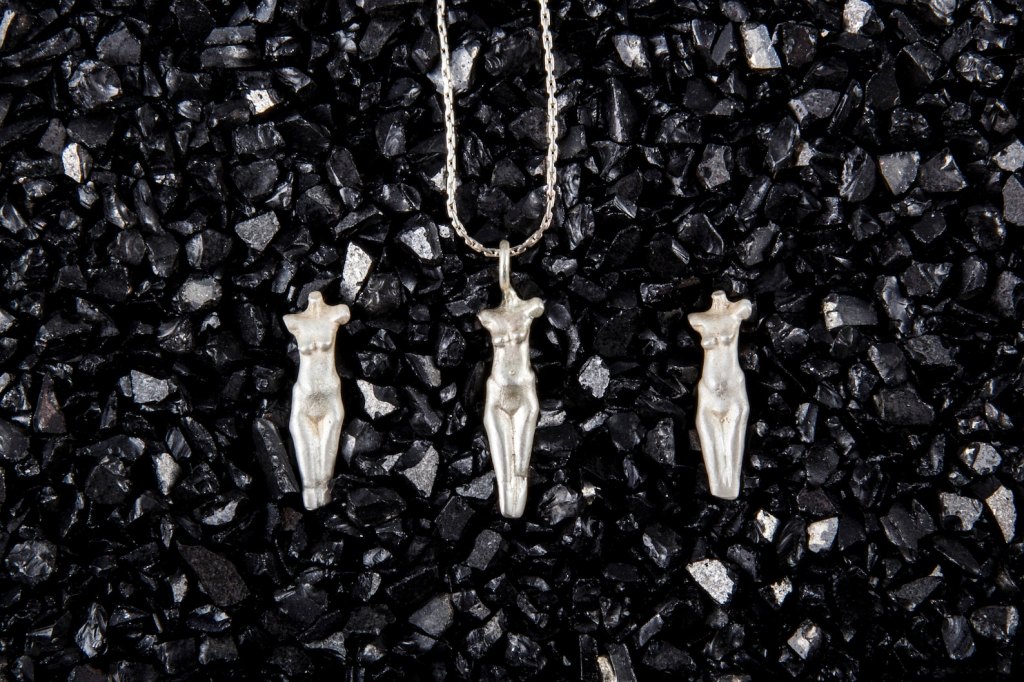
②.「本體的喜悅」維納斯(黑/白)·美神系列·耳釘耳環&項鍊;美國手藝人Zbigniew作品;925纯银/淡水珍珠;雕塑约2.54cm,链长约56cm;每件银的表面处理,雕塑尺寸略有不同;亦可定制尺寸|x10626
-
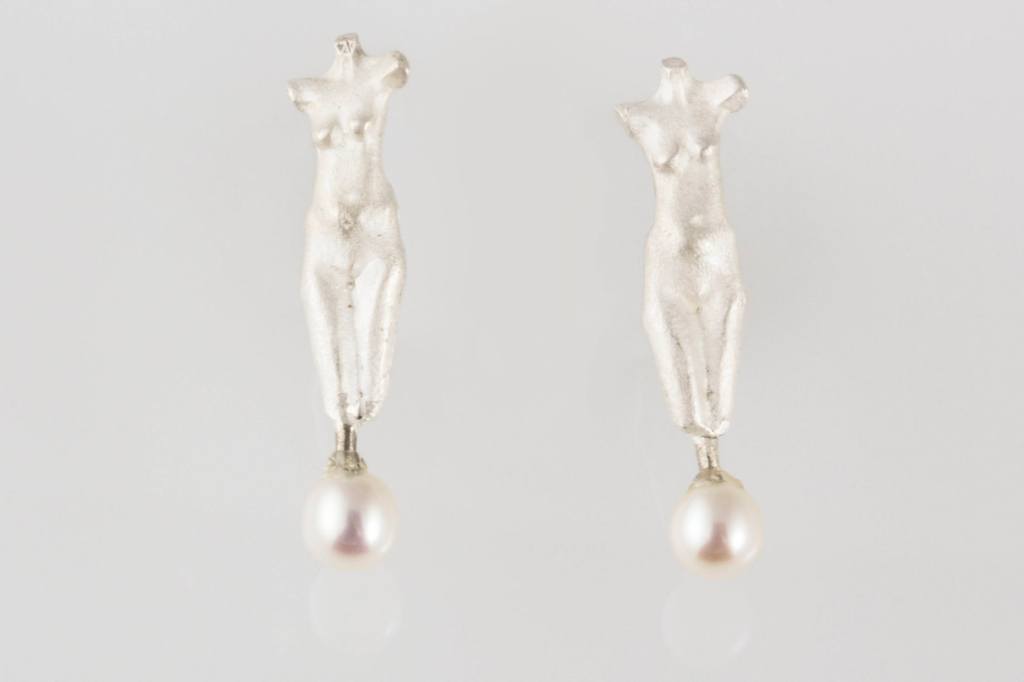
②.「本体的喜悦」维纳斯(珍珠)·美神系列·耳钉耳环;美国手艺人Zbigniew作品|美之所以让人疲惫,是因为我们试图依附它、维持它、成为它。对身体的照顾——睡眠、饮食、运动,以及阅读,是为了保有一种对生活的掌控感,从而让自己变得稳定而清晰;美,则是那随之浮现的副产品。在你意识到,你可以只是经历和享受各种形相,而不被它定义,你已在它的囚笼之外。925纯银/淡水珍珠;雕塑约2.54cm;每件珍珠/宝石的颜色与形状,以及银的表面处理,雕塑尺寸略有不同;亦可定制尺寸|x10226
-
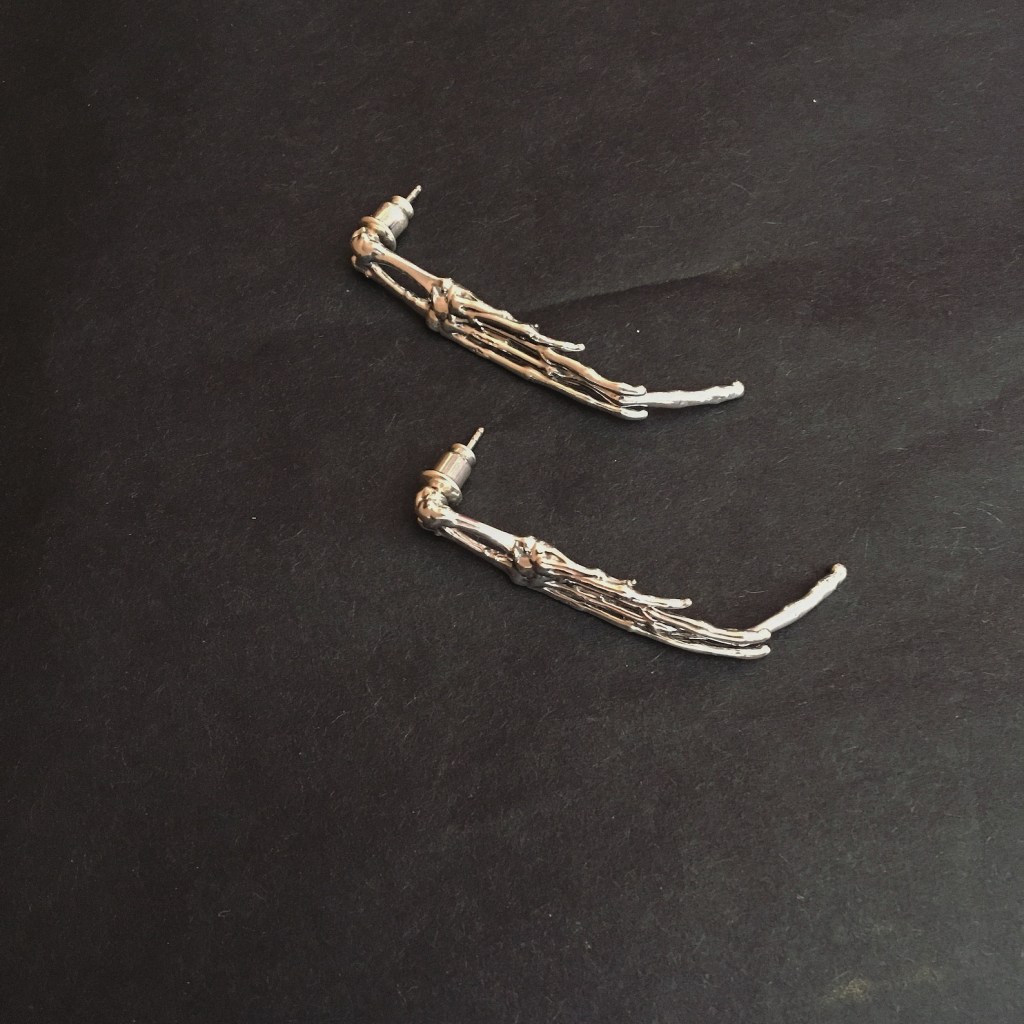
②.「哪种变化才算得上信息?」青蛙脚骨骼·动物标本剥制术耳钉耳环;土耳其手艺人Göksu作品|青蛙并不对所有的运动做出反应。神经生物学研究发现,只有当一个物体的运动轨迹足够接近真实猎物时,它的视觉神经才会被触发。人也如此,容易被刺激性的表达所吸引,被某种经组织和强化过的“变化”所引导。在这般机制里,信息与噪音不总是清晰可分。或许我们不该一味地被动接受,而是尝试去拆解它?|925纯银;古老失蜡法,纯手工雕刻制作|x10026
-
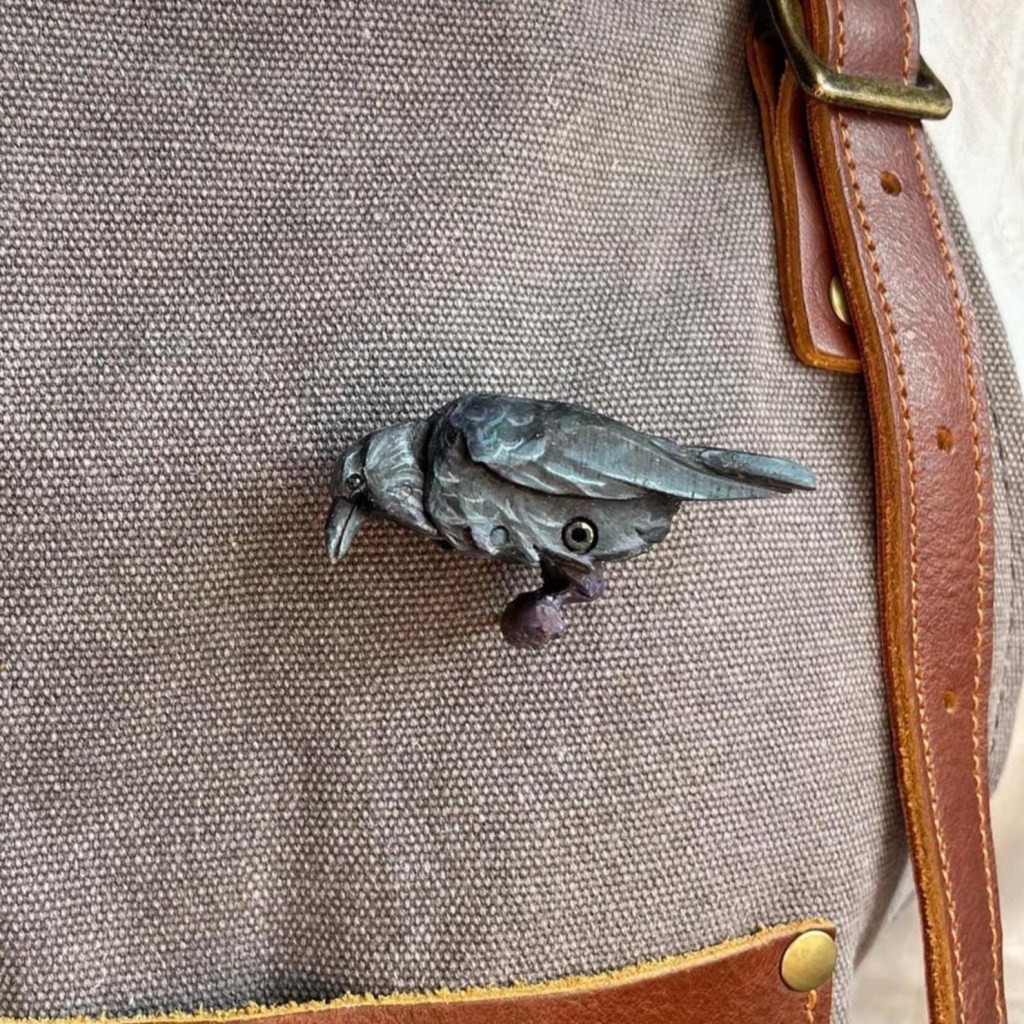
②.「观鸟&机械爱好者」乌鸦·渡鸦·木质机械活动胸针系列;英国手艺人Ashley作品|栩栩如生的可穿戴艺术品,只要轻轻按下尾巴,乌鸦的头就会抬起来,并逐渐张开嘴。木材/黄铜/手绘;约3x6cm。每只小鸟由手工雕刻并涂以油彩,细节可能略有不同,每一枚都是独一无二的;亦接受定制鸟类;非孩童玩具|x12426
-
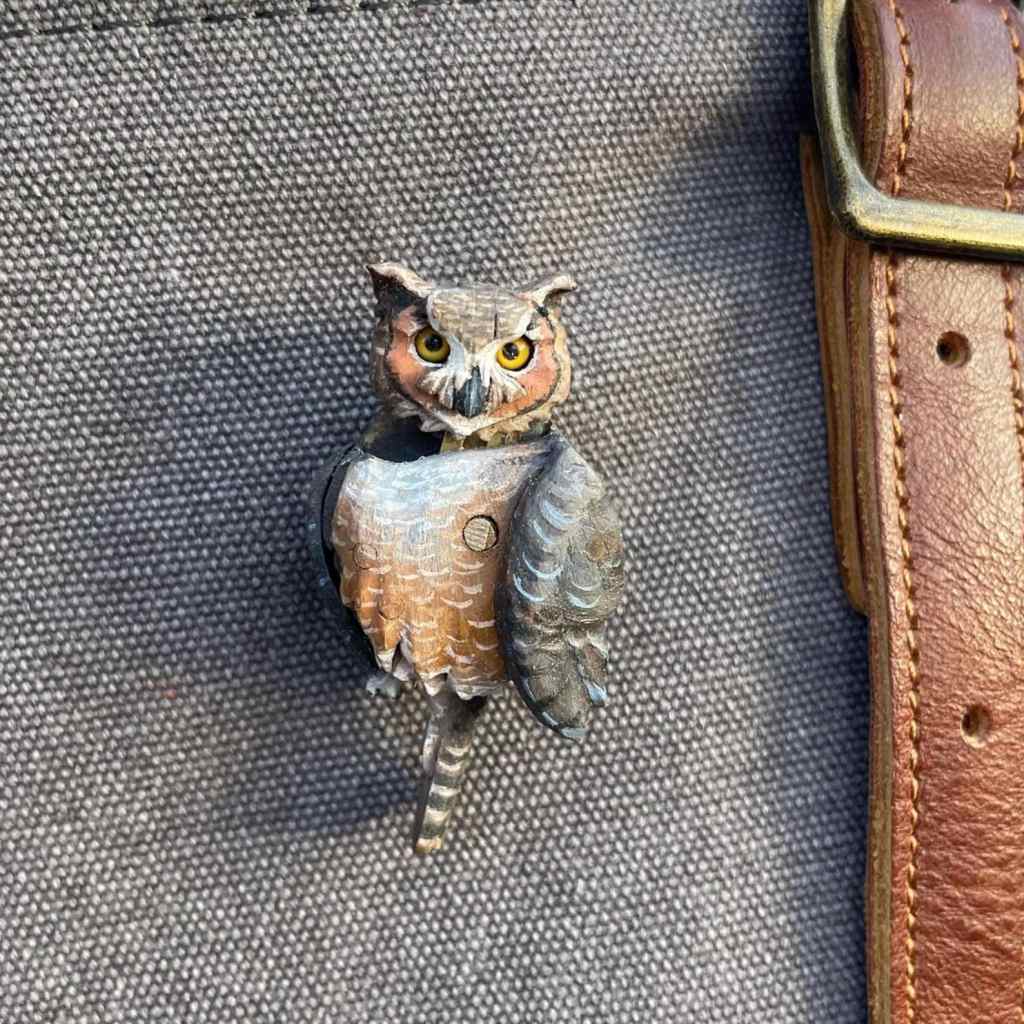
②.「观鸟&机械爱好者」角鸮·猫头鹰·木质机械活动胸针系列;英国手艺人Ashley作品|栩栩如生的可穿戴艺术品,只需轻轻拨动尾巴,它的头部就会左右摆动。木材/黄铜/手绘;约3x6cm。每只小鸟由手工雕刻并涂以油彩,细节可能略有不同,每一枚都是独一无二的;亦接受定制鸟类;非孩童玩具|x12326
-
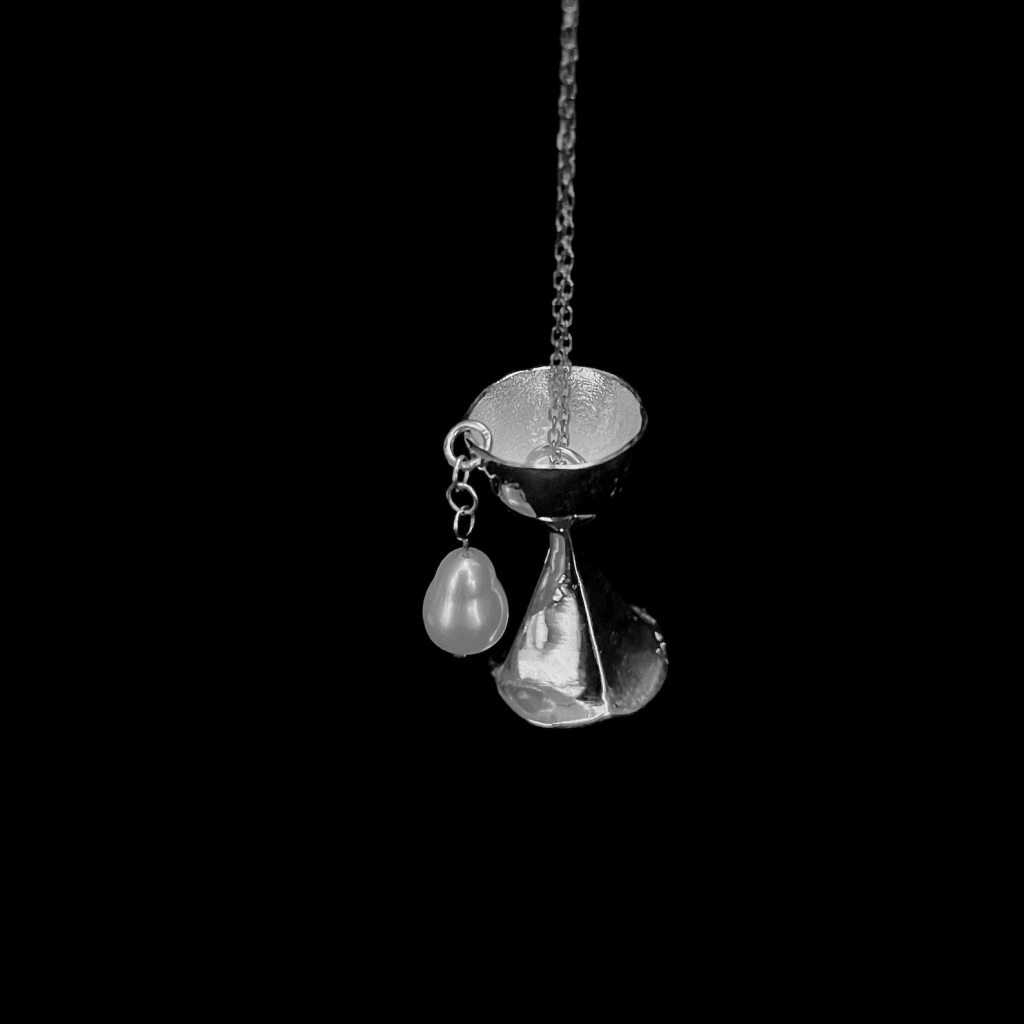
②.「圣杯与珍珠」项坠项链;土耳其手艺人Göksu作品|圣杯象征生命与女性力量,并与水元素等相关;此款设计灵感源自中世纪晚期和文艺复兴时期的艺术。珍珠的点缀更添巴洛克风情,正如珍珠为《戴珍珠耳环的少女》增添的韵味。925纯银/淡水珍珠;吊坠约2.7cm高,附纯银链(40/50/60厘米可选)。古老失蜡法,纯手工雕刻制作;由于纯银制品为手工打造,镜面般的银饰表面可能存在细微斑点或瑕疵|x12216
-
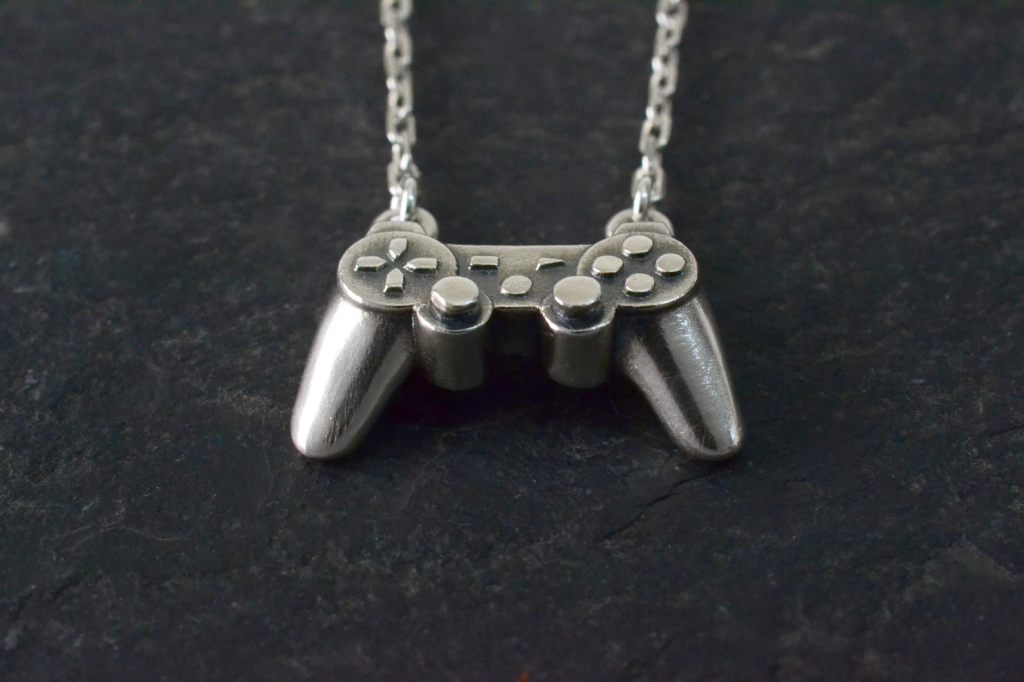
②.地球online·游戏手柄·世界游乐场系列·项链;希腊手艺人Ar.Gev作品|必死之人,必须游戏。925纯银;手柄13x22mm,链长17-22英寸可选|x12126
-
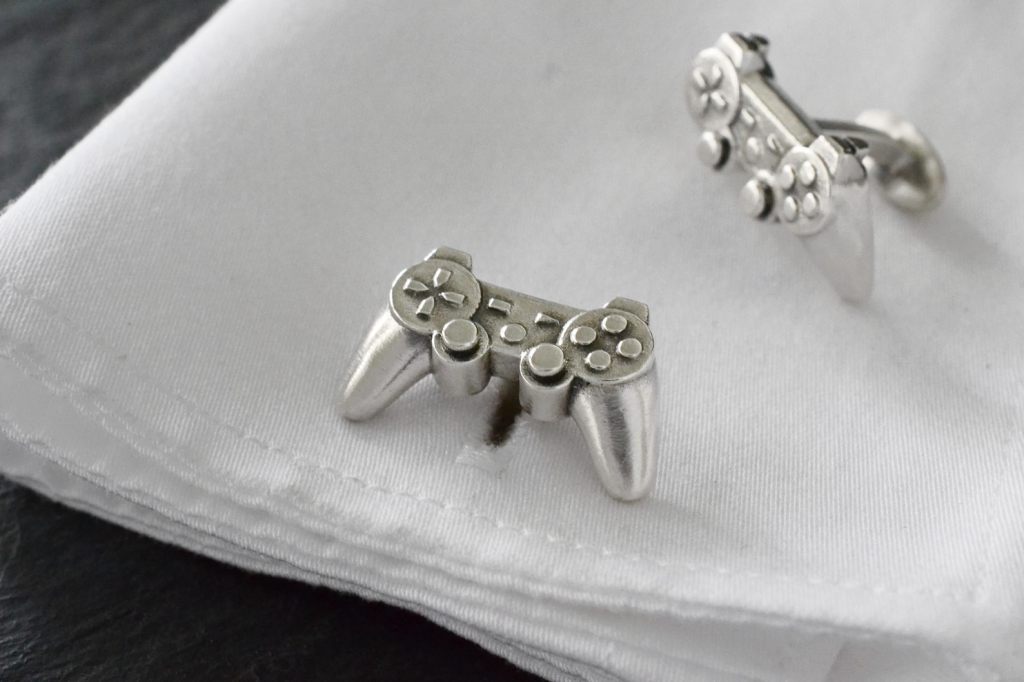
②.地球online·游戏手柄·世界游乐场系列·法式袖扣;希腊手艺人Ar.Gev作品|必死之人,必须游戏。925纯银;13x22mm|x12026
-
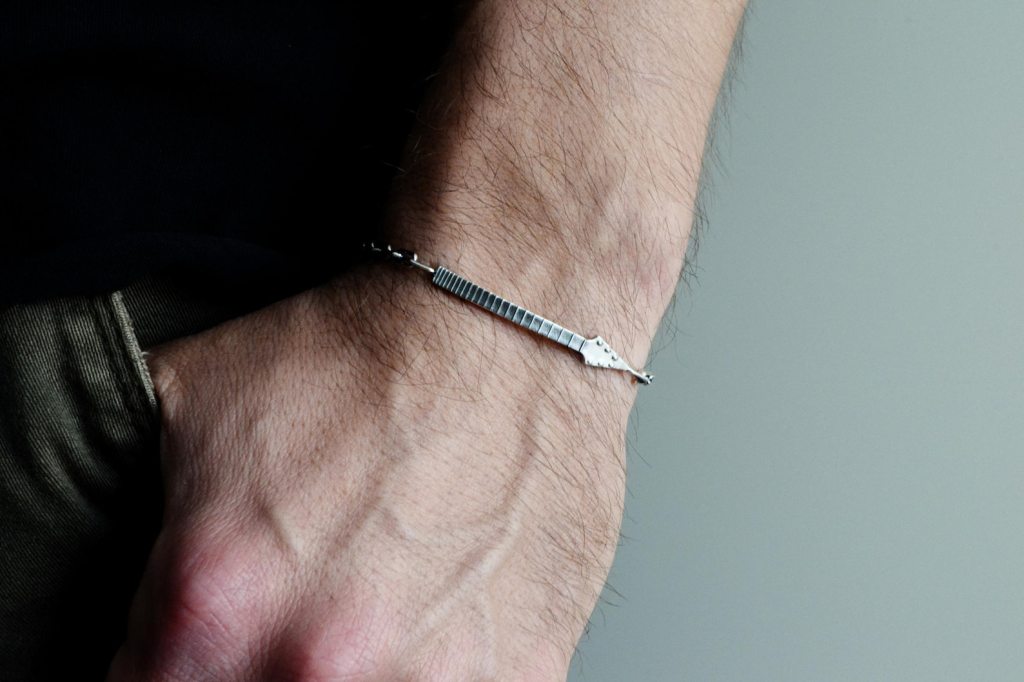
②.吉他·音乐家系列·手链;希腊手艺人Ar.Gev作品|925纯银;指板30x42mm,琴颈厚度2.5mm,链节3x6mm|x11926

♡ ♡ ♡
Play the part.
每日學點新東西和培養一些美感。這是對付自己的方法,沒有別的秘訣。
– 傅佩榮
|‘My fxck Budget’


您必须登录才能发表评论。