

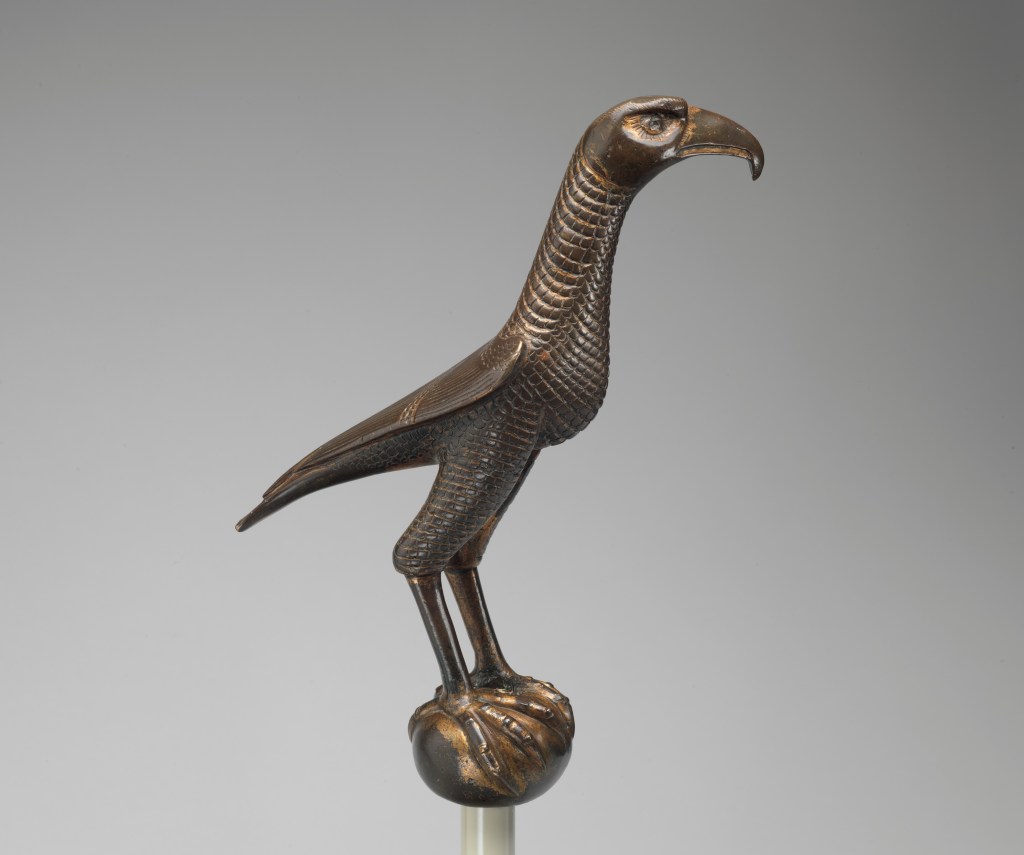
一只以青铜铸成的猎鹰(隼,falcon),姿态挺拔,羽羽分明。
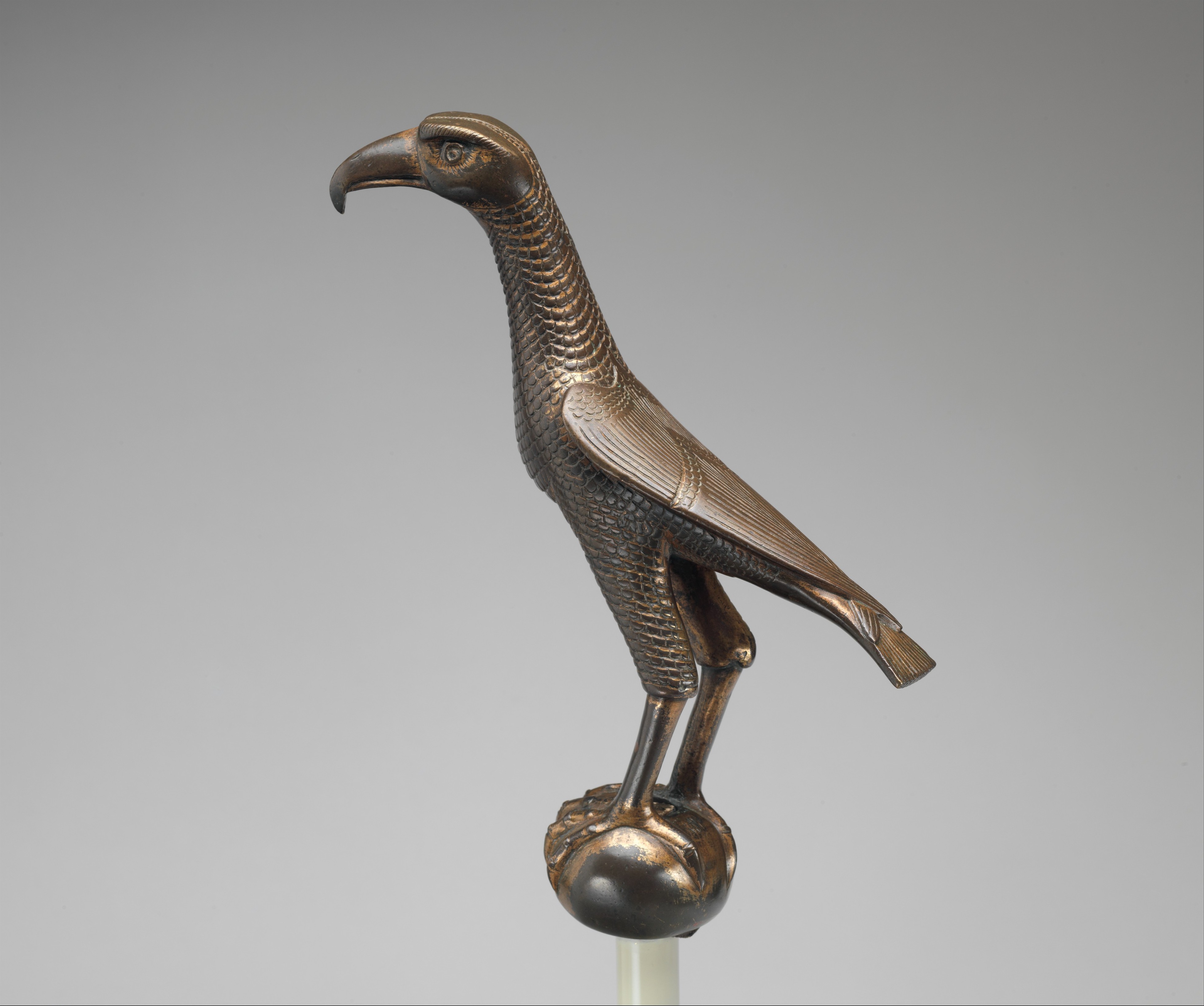
据传出土于1925年的意大利,或与霍亨斯陶芬王朝(the Hohenstaufen)有关——那个曾统治今日德国与意大利大地的日耳曼皇族。
在中世纪,鹰是权力的象征。帝王的权杖常以鹰为顶饰,寓意高远与统御。而这只猎鹰,由沉重铜合金铸造,推测并非手持之物,而是王座、家具或帐篷柱顶的装饰。
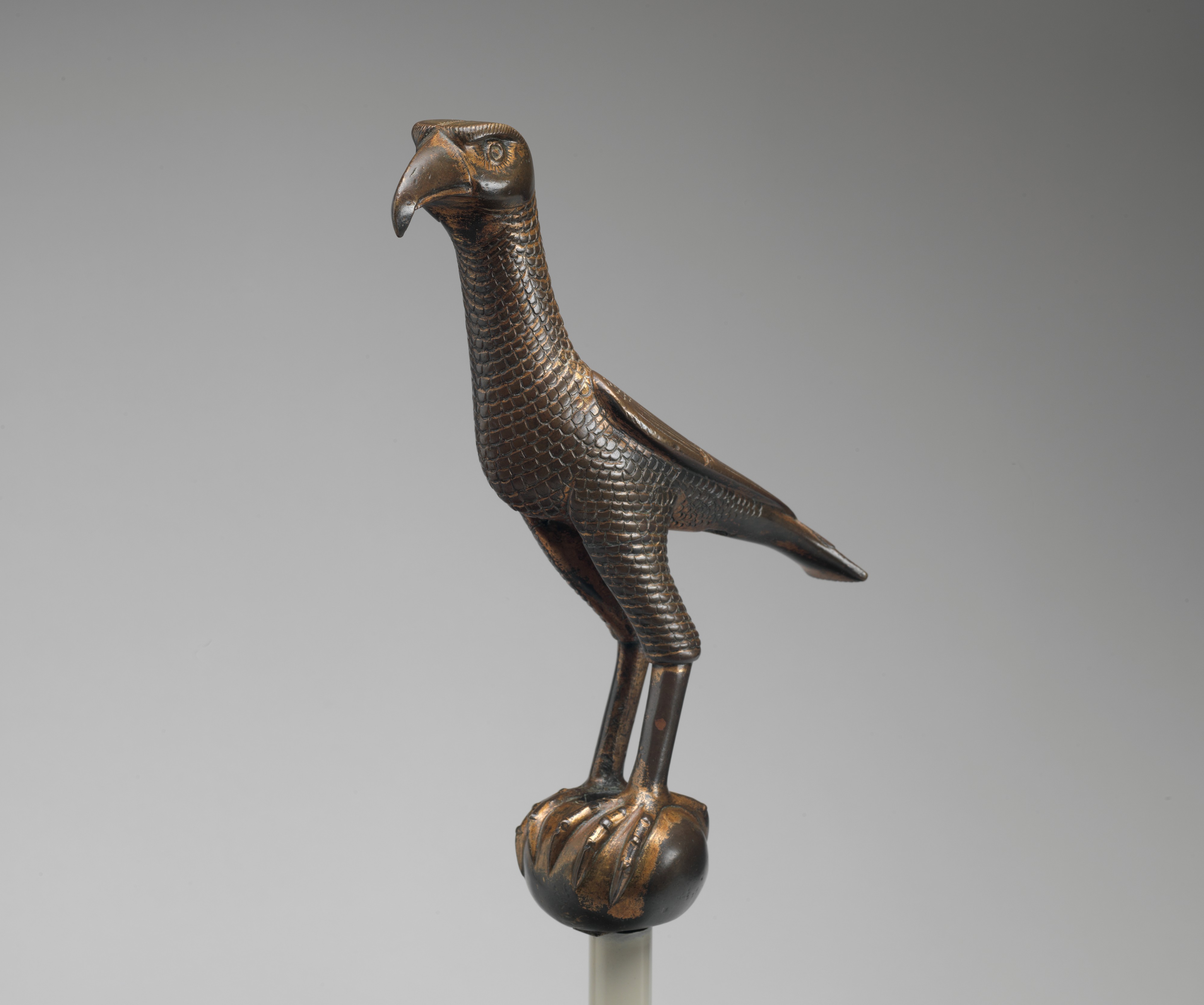
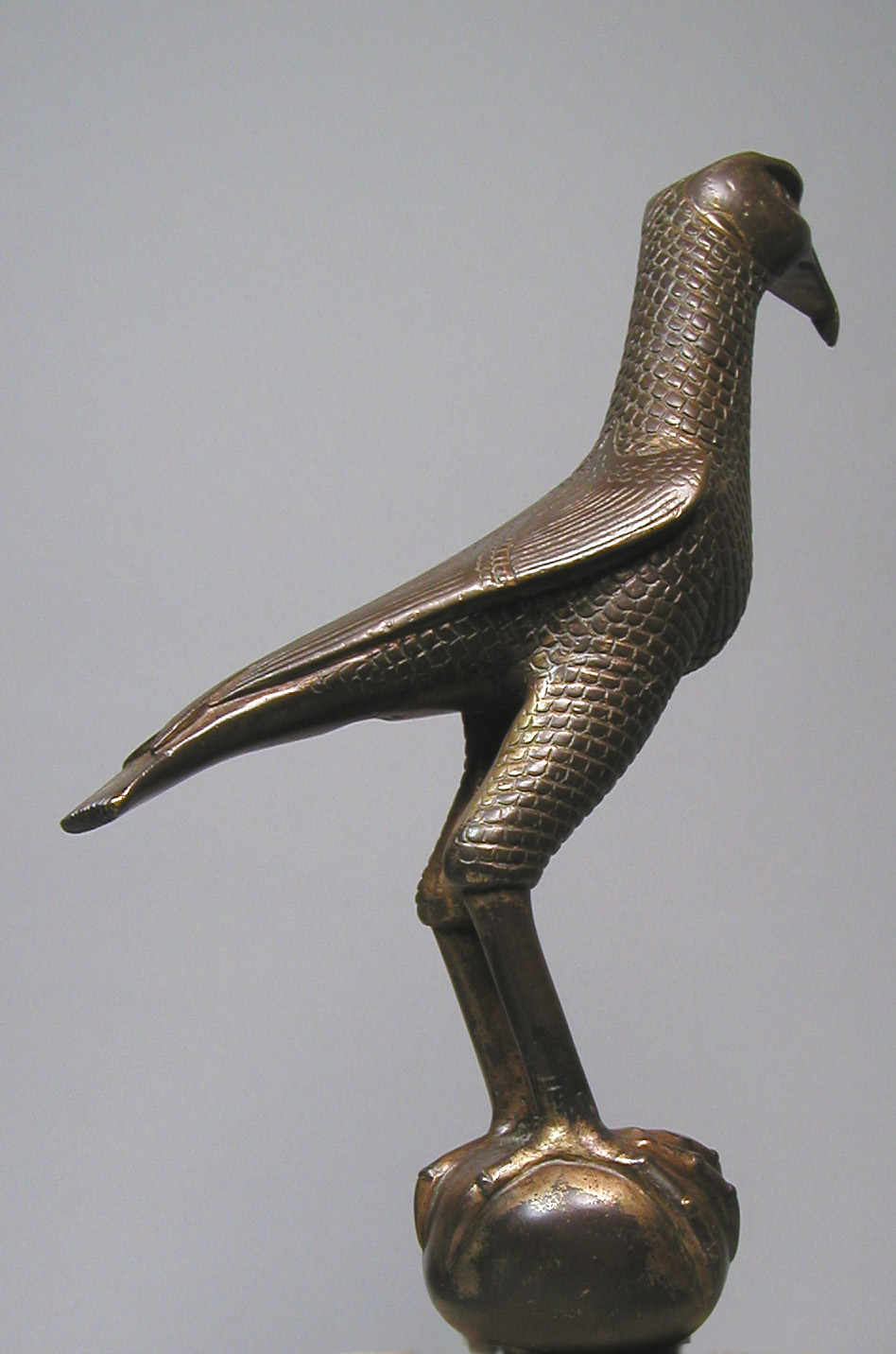
它的形态接近白隼(gerfalcon),一种尊贵稀有的隼类,也让人想到腓特烈二世(Emperor Frederick II)——这位痴迷猎鹰艺术的皇帝,不仅亲手著述《猎鹰术》(De Arte Venandi cum Avibus),更以猎鹰术作为修身、治国的隐喻。
在那个年代,驯鹰既是贵族的技艺,也是一种对自身意志与自然力量的一种默习。鹰的凝视之中,有穿透一切表象的清醒,也有孤独而坚定的自持。
上帝说,要爱你的敌人。其实是说:外面并没有真正的敌人。这世间,最难驾驭的,从来不是他人,而是自己。驯鹰者先驯己。能御万物者,必能自御。
♡
______
猎隼,南意大利,约1200–1220年,青铜(带鎏金痕迹),27.9cmx16.5cmx7.9cm,美国大都会艺术博物馆收藏
博物馆解读·Museum Interpretation(点击展开)
这只铸造精巧的猎鹰,据说于1925年在意大利出土,与霍亨斯陶芬王朝有关——这是一个统治过今日德国及意大利大部分地区的日耳曼王朝。作为权威的象征,他们常持有饰有鹰形顶饰的权杖。而这件猎鹰,由于铜合金质地较重,推测可能是用于装饰王座或家具,也可能是帐篷支柱的顶端装饰。猎鹰的造型似乎特别接近一种叫“白隼”的品种,这也让人联想到神圣罗马皇帝腓特烈二世(1215–1250在位)——他不仅痴迷猎鹰,还著有中世纪最权威的《猎鹰术》专著,是贵族运动史上的重要里程碑。
原文の静けさが、言葉を変えても残りますように。
May the quiet tone of the original stay intact, even in other languages.
鷹狩りは、自身を鍛える修練である|鷹像、南イタリア、約1200–1220年
青銅で鋳造された一羽の鷹(ファルコン)。姿勢は凛とし、羽根の一枚一枚が精緻に表現されています。1925年にイタリアで出土したとされ、ドイツとイタリアを支配した神聖ローマ帝国のホーエンシュタウフェン朝との関連が指摘されています。中世において、鷹は権力の象徴でした。皇帝の笏の先端には鷲が飾られ、高みからの統治を意味していました。この鷹像は重厚な銅合金で作られており、手に持つものではなく、玉座や家具、または天幕の柱の頂部を飾る装飾品であったと考えられています。その姿は白鷹(ジャーファルコン)に似ており、鷹狩りに情熱を注いだ皇帝フリードリヒ2世を想起させます。彼は『鳥類狩猟の技術』(De Arte Venandi cum Avibus)を著し、鷹狩りを通じて自己の意志と自然の力を磨く修練と見なしていました。当時、鷹狩りは貴族の技芸であり、同時に自己の意志と自然の力を鍛える静かな修練でもありました。鷹の鋭い眼差しには、表面的なものを見抜く冷静さと、孤高で揺るがぬ自制心が宿っています。神は「汝の敵を愛せよ」と言いました。それは、外に真の敵など存在しないということを示しています。この世で最も制御が難しいのは、他者ではなく、自分自身なのです。鷹を御する者は、まず己を御する。万物を制する者は、まず自己を制するのです。
Falconry: A Practice of Self-Mastery|Falcon, Southern Italy, circa 1200–1220
A bronze-cast falcon stands poised, its posture upright and feathers meticulously detailed. Reportedly unearthed in Italy in 1925, this piece is believed to be associated with the Hohenstaufen dynasty, the Germanic rulers of much of present-day Germany and Italy. In the Middle Ages, the falcon symbolized authority. Emperors often bore scepters topped with eagles, signifying dominion and oversight. Given its substantial copper alloy composition, this falcon likely adorned a throne, piece of furniture, or the apex of a tent pole, rather than being handheld. Its form resembles that of a gyrfalcon, a noble and rare species, evoking Emperor Frederick II, who was deeply passionate about falconry. He authored “De Arte Venandi cum Avibus” (“The Art of Hunting with Birds”), viewing the practice as a means to cultivate personal will and harmonize with natural forces. During that era, falconry was not only a noble pursuit but also a silent discipline of aligning one’s will with nature’s power. The falcon’s gaze embodies a clarity that pierces through superficiality and a solitary, steadfast self-control. As scripture advises, “Love your enemies.” Perhaps this suggests that true adversaries do not exist externally. The most challenging entity to master is not others, but oneself. He who masters the falcon must first master himself. To command the world, one must first command the self.





您必须登录才能发表评论。